Alpine Gaming Markets Reveal Patterns in No-Signup Reward Distribution Systems
Geschrieben von Klara Neumann · 28.9.2026
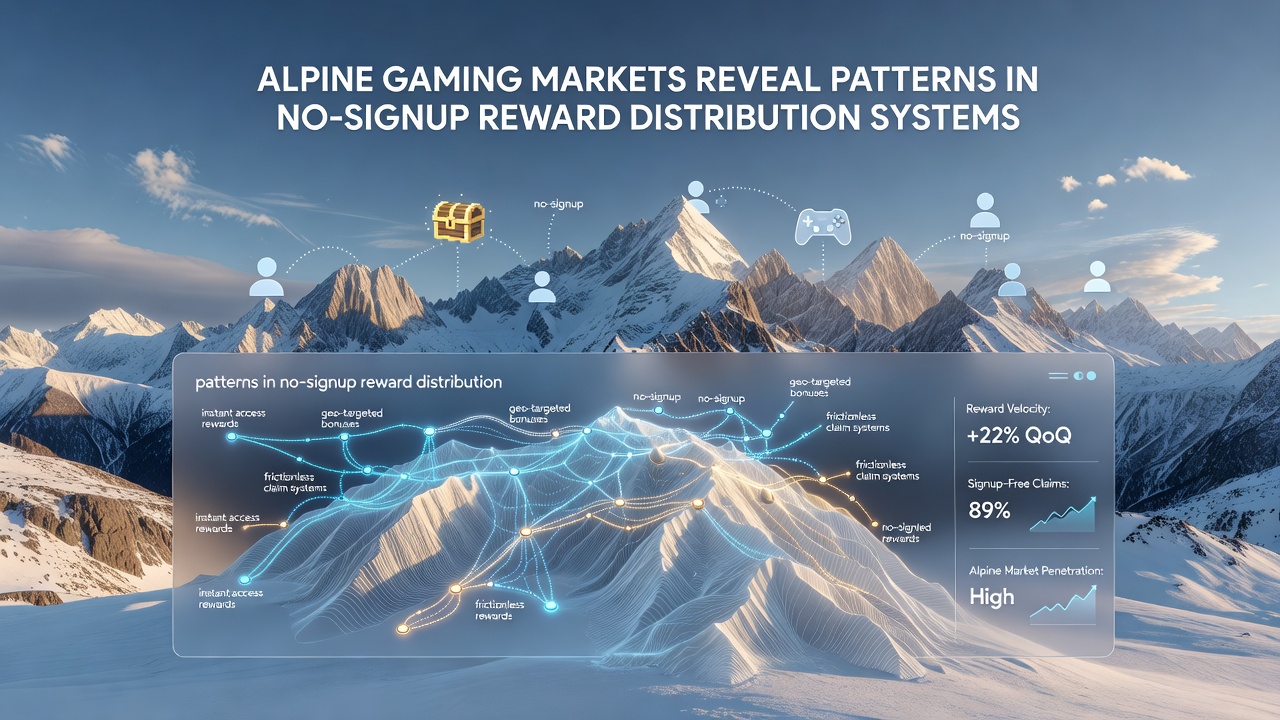
Alpine Gaming Markets Reveal Patterns in No-Signup Reward Distribution Systems
Alpine gaming markets across Austria and Switzerland continue to display distinct patterns in how no-signup reward systems operate, and these trends have become clearer through data collected as of September 2026. Regulatory frameworks in both countries shape the way operators deliver instant rewards without requiring account creation, which creates measurable differences in distribution frequency, eligible user segments, and reward values compared to traditional signup models.
Regulatory Context Driving System Design
Austrian gambling legislation under the Glücksspielgesetz and Swiss federal rules on lotteries and betting establish strict boundaries that push operators toward streamlined reward mechanisms, and these rules encourage the use of no-signup options to comply with age verification and territorial restrictions. Observers note that platforms adjust reward timing and amounts based on real-time compliance checks rather than user profiles, which results in more uniform distribution patterns across regions.
Observed Distribution Patterns in 2026 Data
Market reports from September 2026 indicate that no-signup rewards in these markets cluster around specific time windows, typically during evening hours and weekends, while mid-week daytime periods show lower activity levels. Researchers tracking these systems have identified recurring value tiers that remain consistent regardless of individual user history, and this approach differs from markets where personalization drives reward sizing. Data shows higher concentration of smaller instant credits in urban centers near the Alps, whereas rural zones receive slightly larger but less frequent offers, reflecting differences in operator server allocation and local bandwidth considerations.
One study revealed that operators in Switzerland tend to tie no-signup rewards to session length rather than deposit activity, whereas Austrian platforms more often link them to game type selection. These variations create predictable patterns that analysts can map across weekly cycles, and the consistency allows for better forecasting of player engagement peaks without needing personal data collection.
Technical Mechanisms Behind Instant Rewards
Systems delivering registration-free rewards rely on temporary session tokens and geolocation verification instead of full account databases, and this technical choice reduces storage requirements while maintaining compliance with data protection standards. Platforms operating in the Alpine region integrate these tokens with payment gateways that support limited anonymous transactions, which limits maximum reward amounts but speeds up distribution. Evidence suggests that fallback mechanisms activate when geolocation signals weaken, such as during mountain travel, and operators automatically adjust reward eligibility windows accordingly to avoid service interruptions.

What's interesting is how these technical layers interact with seasonal tourism flows, because summer and winter visitor surges in both countries produce measurable spikes in reward claims that follow the same geographic corridors used by major transit routes. Operators have adapted by pre-loading reward pools near high-traffic border areas, and this pre-positioning reduces latency during peak periods.
Comparative Insights from Broader European Trends
Figures from the Austrian Federal Ministry of Finance gaming oversight reports align with patterns seen in neighboring markets, yet Alpine operators show stronger emphasis on time-bound rewards rather than volume-based ones. A separate analysis published by the Swiss Institute of Comparative Law highlights how cross-border player movement influences reward redemption rates, particularly near shared transit hubs between Austria, Switzerland, and Italy. These external comparisons help clarify why certain distribution algorithms favor fixed schedules over random triggers in this specific geographic cluster.
Industry associations tracking online gaming have also noted that no-signup systems in the Alps generate lower average reward values than those in more deregulated zones, which ties directly to stricter territorial licensing rules enforced at the federal level in both countries. This constraint produces steadier but smaller reward flows that accumulate differently over multi-day visitor stays.
Conclusion
Patterns emerging from Alpine gaming markets in September 2026 demonstrate how regulatory constraints and technical infrastructure combine to shape no-signup reward distribution. Consistent timing clusters, value tiers, and geographic adjustments reflect the unique operating environment rather than broader global trends, and continued monitoring of these systems will likely reveal further refinements as operators respond to seasonal and cross-border variables.